
The United States has announced it is withdrawing military assistance from Myanmar units and officers involved in violence against Rohingya Muslims that has triggered a massive exodus and humanitarian crisis.
“We express our gravest concern with recent events in Rakhine state and the violent, traumatic abuses Rohingya and other communities have endured,” State Department spokeswoman Heather Nauert said in announcing the punitive measures.
“It is imperative that any individuals or entities responsible for atrocities, including non-state actors and vigilantes, be held accountable.”
Last week, secretary of state Rex Tillerson said the US holds Myanmar’s military leadership “accountable” for the Rohingya refugee crisis, drawing a distinction with Aung San Suu Kyi’s civilian government.
The world won’t stand and “be witness to the atrocities that have been reported,” he warned, adding that the military must be disciplined and “restrained.”
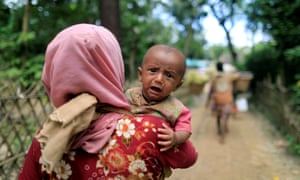
More than 600,000 members of the minority Muslim group have fled across the border into Bangladesh in an intensifying crisis that began in late August.
Militant attacks on Myanmar security forces in Rakhine sparked a major army crackdown on the community likened to ethnic cleansing by the UN.
Washington already had existing restrictions on its limited engagement with Burma’s armed forces, as well as a long-running embargo on all military sales, so the withdrawal of military aid served to reinforce that position.
The US has also rescinded invitations to senior members of Myanmar’s security forces to US-sponsored events and is pressing for “unhindered access” to the affected areas for a United Nations fact-finding mission, international organisations and the media.In addition, the state department said it has halted its consideration of travel waivers for senior Myanmar military leaders, and is weighing targeted economic measures against individuals linked to the “atrocities,” along with targeted sanctions.
“The government of Burma, including its armed forces, must take immediate action to ensure peace and security; implement commitments to ensure humanitarian access to communities in desperate need; facilitate the safe and voluntary return of those who have fled or been displaced in Rakhine state; and address the root causes of systematic discrimination against the Rohingya,” Nauert said.
The state department made the announcement ahead of US president Donald Trump*s maiden visit to the region early next month when he will attend a summit of ASEAN countries, including Myanmar, in Manila.
It marked the strongest US response so far to the months-long Rohingya crisis but came short of applying the most drastic tools at Washington’s disposal such as reimposing broader economic sanctions suspended under the Obama administration.


No comments:
Post a Comment